Rethinking the Kitchen Remodel: Function Before Aesthetics
A successful kitchen remodel starts long before materials or color palettes are discussed. In practice, the most common mistake I see with mid-range and premium clients is prioritizing visual inspiration over functional logic. A well-executed kitchen design is not just visually cohesive—it performs efficiently under daily use.
When working with clients, I begin by analyzing lifestyle patterns: how often they cook, whether the kitchen is social or task-focused, and how many users interact with the space simultaneously. For example, a family with children requires a different zoning strategy than a couple that entertains frequently. These early decisions directly influence layout, storage planning, and ultimately kitchen renovation costs.
Layout Logic: Beyond the Work Triangle
The Evolution of the Work Triangle
The traditional work triangle—sink, stove, refrigerator—remains relevant, but it is no longer sufficient for modern kitchens. Today’s kitchen design relies on zoning: preparation, cooking, cleaning, and storage zones that can function independently yet cohesively.
In larger kitchens, especially in premium projects, I often separate the cooking zone from the prep area entirely. This allows multiple users to operate without interference, significantly improving ergonomics and workflow.
Space Constraints and Real-Life Planning
In smaller kitchens, efficiency becomes even more critical. I recently worked on a compact urban apartment where the client insisted on an island. Instead of forcing a standard solution, we redesigned the layout with a narrow multifunctional peninsula that integrated storage, seating, and prep space—without compromising circulation.
These are the kinds of decisions that define a professional kitchen remodel: adapting design principles to real constraints rather than applying generic solutions.
Storage Efficiency: Designing for Daily Use
Storage is where most kitchen designs either succeed or fail. Clients often underestimate how much storage optimization impacts long-term satisfaction.
Layered Storage Strategy
A high-performing kitchen incorporates three layers of storage:
- Primary storage: frequently used items within arm’s reach
- Secondary storage: less-used cookware and appliances
- Bulk storage: pantry or extended storage zones
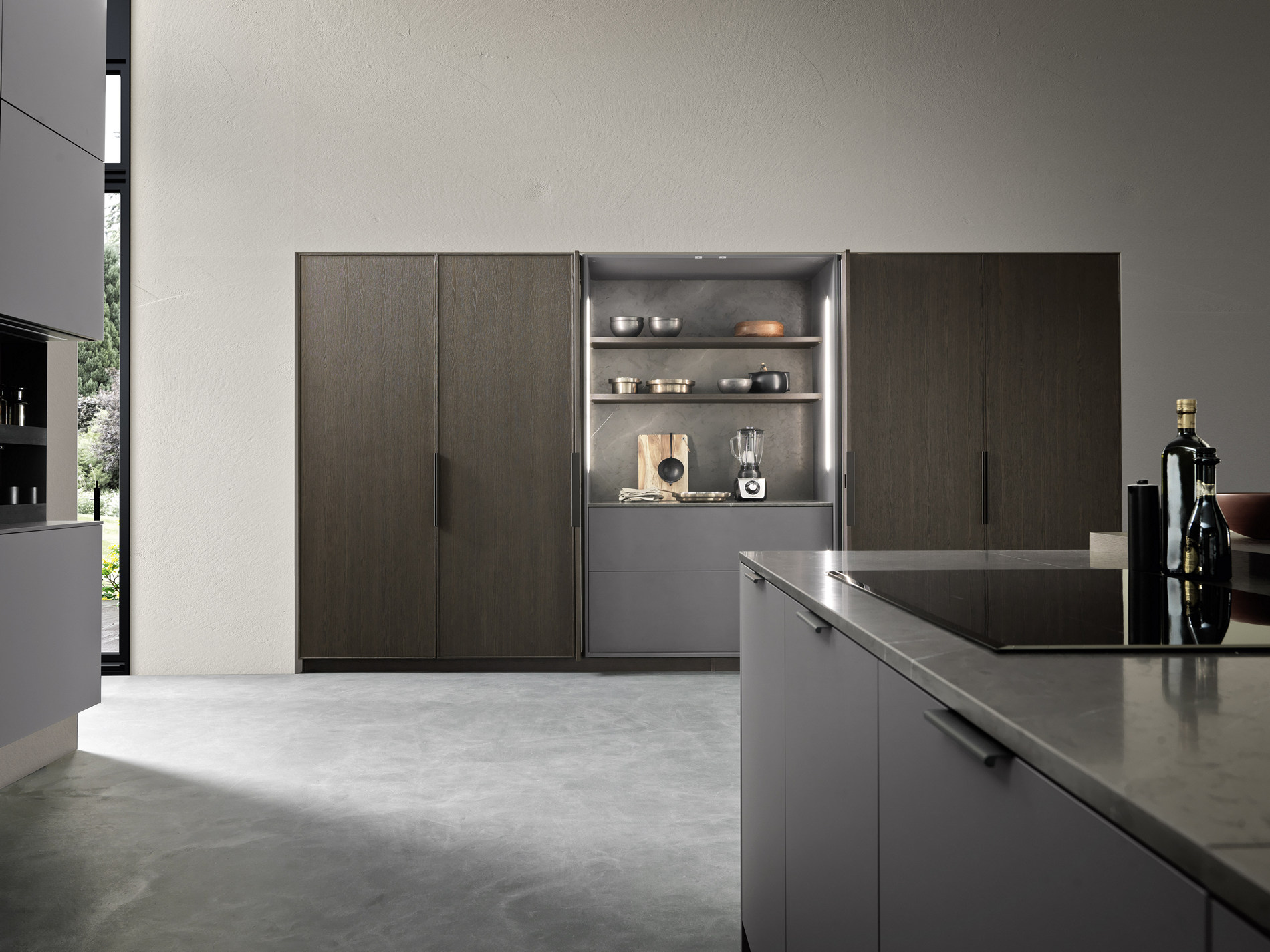
Deep drawers outperform traditional cabinets in most scenarios. Vertical dividers for trays, pull-out systems, and concealed compartments dramatically improve usability without increasing footprint.
Customization vs Standardization
In mid-range projects, modular systems can be highly efficient when planned correctly. In premium kitchens, I typically introduce more customized solutions—integrated organizers, hidden appliance garages, and tailored drawer configurations.
These decisions directly influence kitchen remodel costs but also define how the kitchen functions over time.
Material Selection: Performance Meets Aesthetics
Cabinet Finishes
Cabinetry sets the visual tone but must also withstand daily wear. In modern kitchen design, I often recommend:
- Matte lacquer for a clean, minimalist look
- Wood veneer for warmth and texture
- High-pressure laminates for durability in high-use kitchens
For families or heavy-use kitchens, durability should take precedence over trend-driven finishes.
Countertops: Balancing Cost and Longevity
Countertop selection is one of the biggest drivers of kitchen renovation costs. Engineered stone remains the most balanced option in terms of durability, maintenance, and visual consistency.
Natural stone offers unique aesthetics but requires more maintenance. For clients who cook frequently, I often steer them toward materials that resist staining and heat without constant upkeep.
Hardware and Details
Hardware is frequently overlooked, yet it significantly impacts both usability and perception. Integrated handles create a seamless look but may not suit all users. In contrast, well-chosen external hardware can improve ergonomics, especially in family kitchens.
Modern Kitchen Styles: Choosing the Right Direction
Minimalist Kitchens
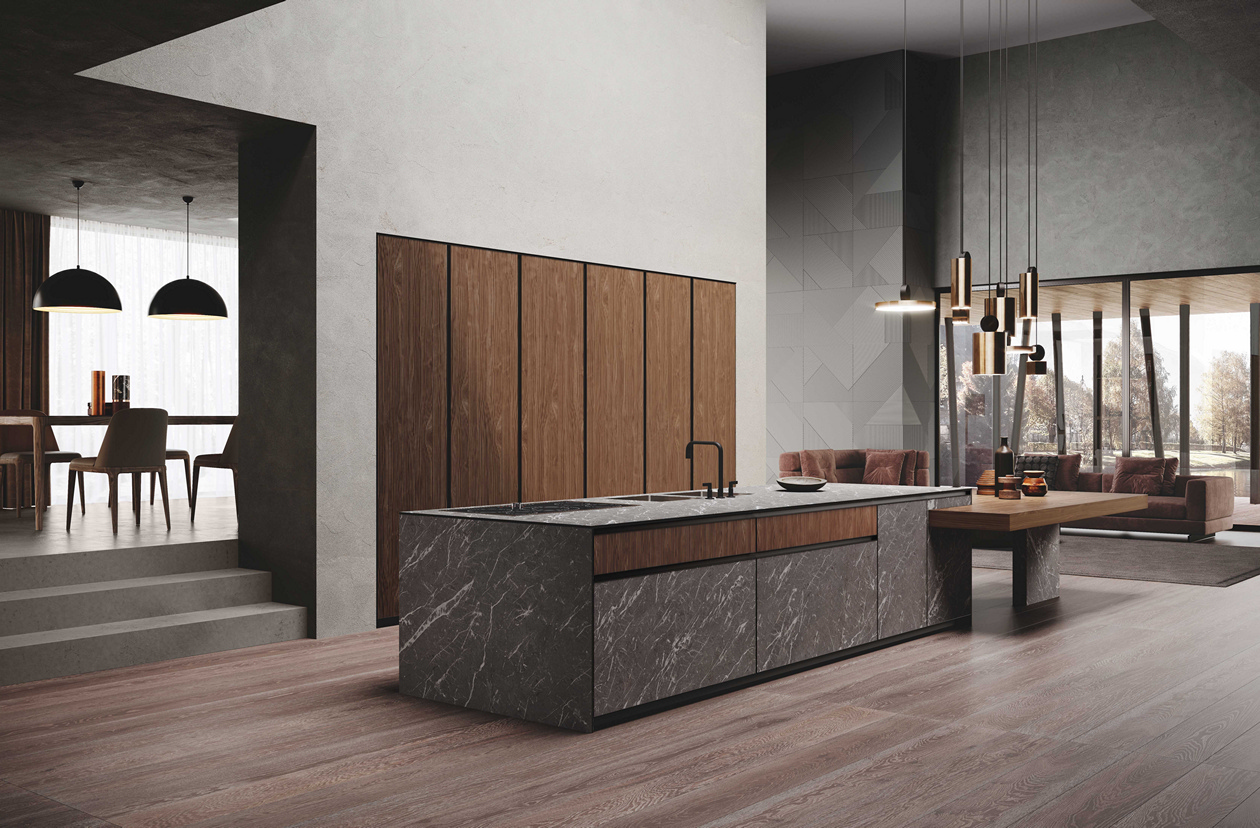
Minimalist kitchens focus on clean lines, concealed storage, and reduced visual noise. They work best in open-plan spaces where the kitchen blends with living areas. However, achieving this look requires precise planning—any inconsistency becomes immediately visible.
European-Inspired Kitchens
European kitchen design emphasizes efficiency, modularity, and refined material combinations. These kitchens often feature handle-less cabinetry, integrated appliances, and a strong focus on proportion.
This style is particularly effective in mid-size spaces where balance between aesthetics and functionality is critical.
Transitional Kitchens
For clients who want longevity, transitional kitchens offer a balanced approach. They combine classic proportions with modern detailing, making them less susceptible to trend cycles.
In the US market, this is often the safest investment from a resale perspective.
Understanding Kitchen Renovation Costs
Kitchen remodel costs vary widely, but they are driven by a few key factors:
1. Layout Changes
Moving plumbing, gas lines, or electrical systems significantly increases costs. Keeping the existing layout is one of the most effective ways to control budget.
2. Cabinetry
Cabinets typically represent the largest portion of kitchen remodel costs. Custom solutions increase cost but allow for precise optimization.
3. Materials
Countertops, finishes, and hardware all contribute to the overall budget. Premium materials elevate the space but must be selected strategically.
4. Labor and Installation
Complex designs require skilled labor. Poor installation can compromise even the best materials, so this is not an area to economize.
In practice, I advise clients to allocate budget based on impact: invest in elements that affect daily use (layout, storage, workflow) before purely aesthetic upgrades.
Common Kitchen Remodel Mistakes
Overprioritizing Aesthetics
One of the most frequent issues is designing for appearance rather than usability. A visually impressive kitchen that lacks proper workflow quickly becomes frustrating.
Insufficient Storage Planning
Clients often underestimate storage needs. Retrofitting storage solutions later is costly and inefficient.
Ignoring Lighting Design
Lighting is critical for both function and atmosphere. A layered approach—task, ambient, and accent lighting—is essential for a balanced kitchen design.
Poor Budget Allocation
Spending heavily on finishes while neglecting layout or storage is a common misstep. A well-balanced budget delivers better long-term results.
Trends and Practical Insights for 2026
Integrated Living Spaces
Kitchens continue to merge with living areas, requiring designs that feel cohesive rather than purely functional.
Hidden Functionality
Concealed storage, integrated appliances, and multifunctional elements are becoming standard in both mid-range and premium projects.
Material Authenticity
Clients are increasingly drawn to materials that feel natural and tactile—wood textures, stone surfaces, and matte finishes.
Smart Storage Solutions
Efficiency is no longer optional. Advanced storage systems are now expected, not considered upgrades.
Final Perspective: Designing for Longevity
A well-executed kitchen remodel is not defined by trends but by how effectively it supports daily life. The most successful projects are those where layout, materials, and storage work together seamlessly.
From a professional standpoint, the goal is simple: create a kitchen that performs as well as it looks. When design decisions are grounded in real usage—not just inspiration images—the result is a space that remains functional, relevant, and valuable for years to come.